How Mark Essien’s 4-month old product made $2.3 million with less than 30 customers
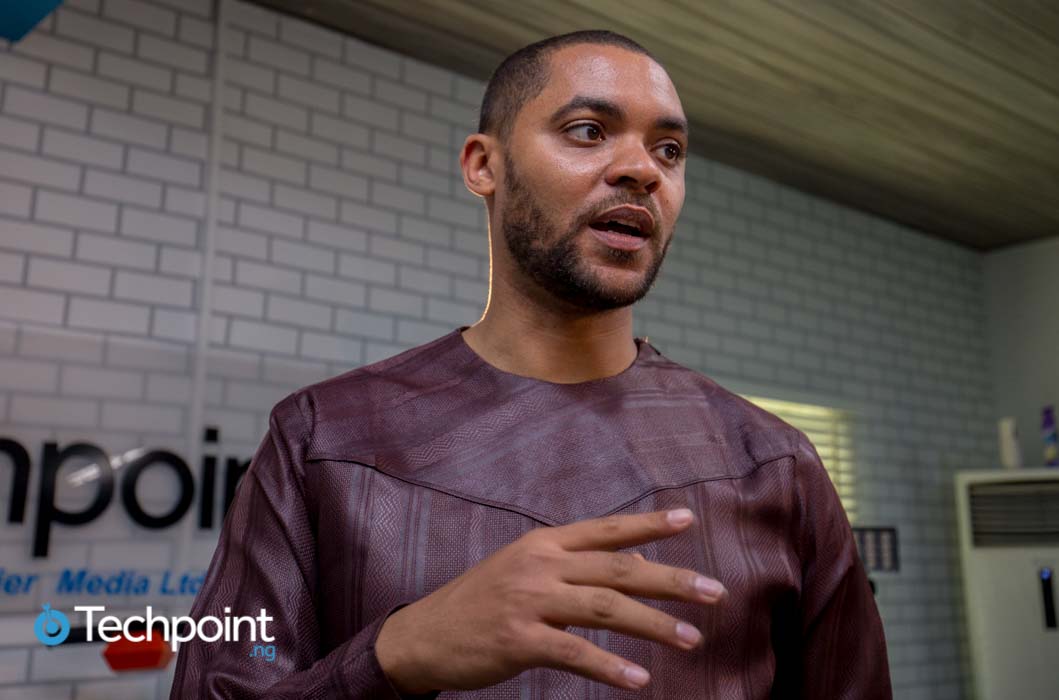
**"How Tripdesk, a 4-Month-Old Nigerian Startup, Made N1.2 Billion in Revenue with Just 30 Customers"**
Mark Essien is a name that has become synonymous with innovation and success in Nigeria's tech space. Fourteen years ago, he launched Hotels.ng, which has not only survived but thrived, processing about 20,000 orders every month. With his latest startup, Tripdesk, an AI-driven travel management platform, Essien has once again proven his mettle, generating a whopping N2.4 billion in revenue in just four months after launch. What's even more impressive is that 30% of this revenue is pure profit.
So, what's behind the remarkable success of Tripdesk? According to Essien, it's not rocket science. "There's nothing technically complex about it. It's a simple piece of software." However, what sets Tripdesk apart is the team behind it. Essien's secret arsenal is HNG (Hacker's University Nigeria), a pipeline of trained individuals who can ship products quickly. Founded in 2016, HNG is a fast-paced, three-month remote bootcamp that trains, tests, and recruits top-tier software developers, designers, and product managers across Africa and beyond.
With HNG, Essien has access to a pool of exceptionally talented individuals who can be deployed at short notice. "When there's something new to be built, I can build an army in a week," he boasts. This approach has proven to be a game-changer for Tripdesk, which took about a year to build, but would have been even faster without the bureaucracies associated with working with investors. Amadou Daffé, the founder of Gebeya Dala, another innovative AI startup, also credits his company's success to a similar talent pipeline.
The implications of Essien's approach are far-reaching. In a country where talent is abundant, but often untapped, entrepreneurs like Essien are pioneering a new way of building and scaling startups. By investing in training and developing local talent, entrepreneurs can create a sustainable advantage that sets them apart from their competitors. As Nigeria's tech space continues to evolve, it's clear that the future belongs to those who can harness the potential of their own talent.
Source: Original Article. AI-enhanced version.